
Going with The Flow

I am writing this during a long night of waiting, in a medical setting, after many hours without sleep. I am here because my mental health has become unmanageable again, and because I am trying to avoid repeating an experience that previously caused significant harm.
Earlier this year, I went through an episode of care that left me deeply unsettled. The environment and the way support was delivered increased distress rather than easing it. Since then, the fear of being returned to a similar situation has stayed with me, even when I know I need help. Tonight, part of my task is to explain that clearly and advocate for care that does not make things worse.
When things deteriorate, they do so quietly at first, then all at once. Daily functioning becomes difficult. Sleep disappears. Thinking narrows. Asking for help starts to feel risky.
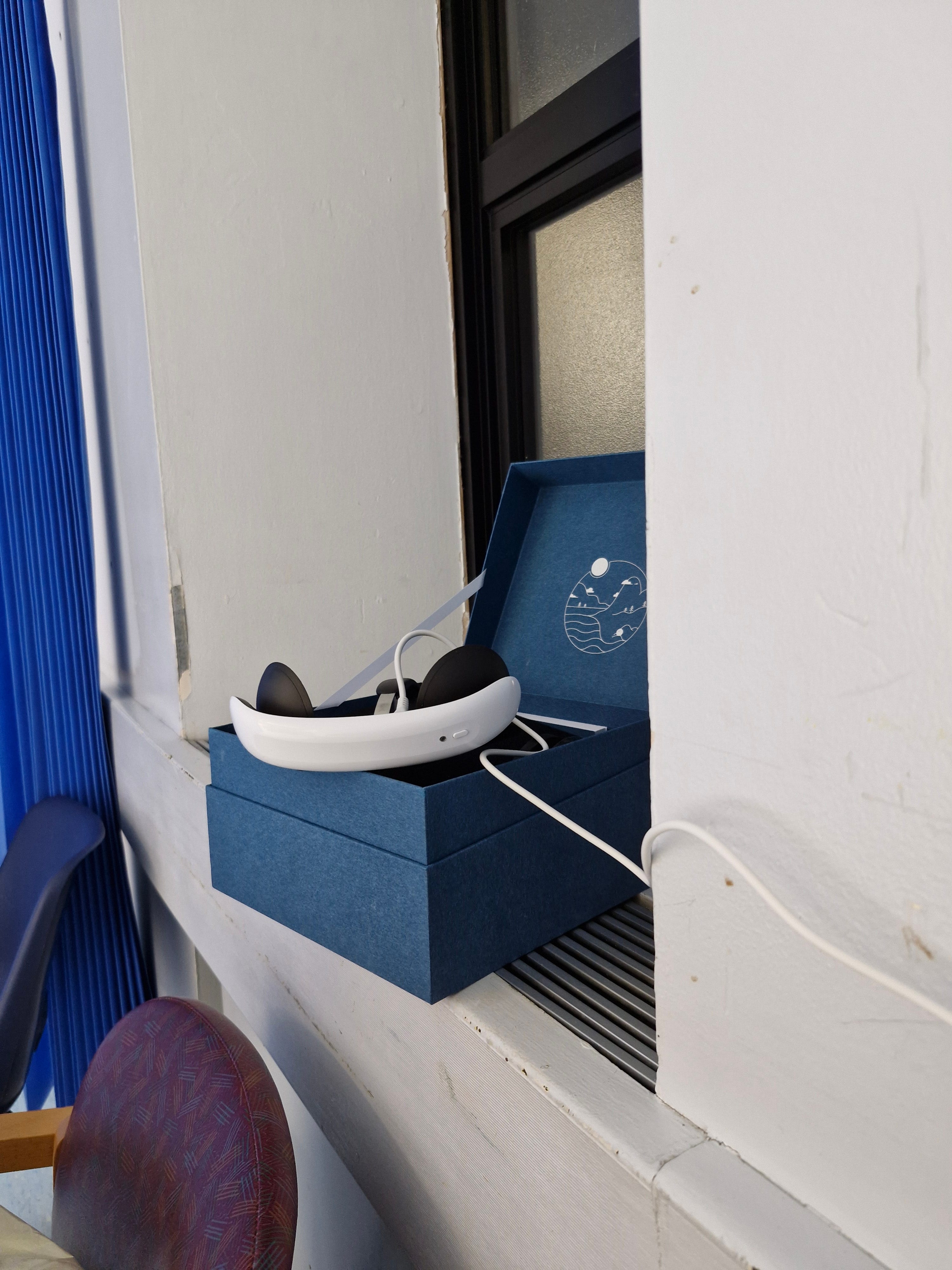
In recent weeks, I have been exploring additional forms of support alongside existing care. One of these is the Flow Neuroscience headset, which uses transcranial direct current stimulation targeted at the left prefrontal cortex. It is not a cure, and I am not presenting it as one. It is simply something I am trying, carefully and with curiosity, because current options have not been enough.
The headset is expensive, particularly when you are unwell and financially constrained, but it is still more accessible than other brain stimulation treatments. I plan to document my experience honestly, including any difficulties or limitations, rather than offering optimism for its own sake.
What continues to trouble me is not just my own situation, but the way care is delivered. Interactions with mental health services can feel rushed, fragmented, and procedural. Support often feels conditional rather than relational. This is not about individual staff, but about systems stretched to breaking point.
For now, I am still waiting. Waiting to be heard properly. Waiting for care that does not make things worse. Waiting for rest.
I will share more when I am able.
Research references
A 10-week remote tDCS trial published in Nature Medicine
A large clinical trial of home-based transcranial direct current stimulation found that 10 weeks of remote tDCS delivered at home, with supervision, showed significant improvement in depressive symptoms and was generally accepted and safe.
https://www.nature.com/articles/s41591-024-03305-y
Flow Neuroscience clinical evidence overview
Flow’s own research page summarises the results of clinical trials showing that people using the Flow headset were about twice as likely to see remission of depressive symptoms compared with placebo stimulation in controlled settings.
https://www.flowneuroscience.com/evidence/
Broader scientific context on tDCS effects
A systematic review of tDCS research describes how stimulation of the left dorsolateral prefrontal cortex has been associated with reductions in depressive symptoms and provides a broader context for understanding mechanisms of action.
https://www.nature.com/articles/s41398-024-03003-w
tDCS safety and feasibility in home use
Research published in ScienceDirect indicates that home-use tDCS can be feasible and tolerated by patients, with some studies reporting improvements compared with sham.
https://www.sciencedirect.com/science/article/pii/S2666915325000320
Mixed evidence and ongoing debate
Not all trials have shown benefit; some controlled studies did not show a significant difference between active home-use tDCS and sham, highlighting the need for further research before definitive conclusions can be drawn.
https://jamanetwork.com/journals/jamapsychiatry/fullarticle/2813623